Understanding a 50/50 Property Settlement: Is Equal Division Achievable?
By Aryan Jani 
Updated: 29 August 2025 · Read time: 6 minutes
A 50/50 property settlement refers to a division of assets where both parties to a marriage or de facto relationship receive an equal share of the property pool upon separation.
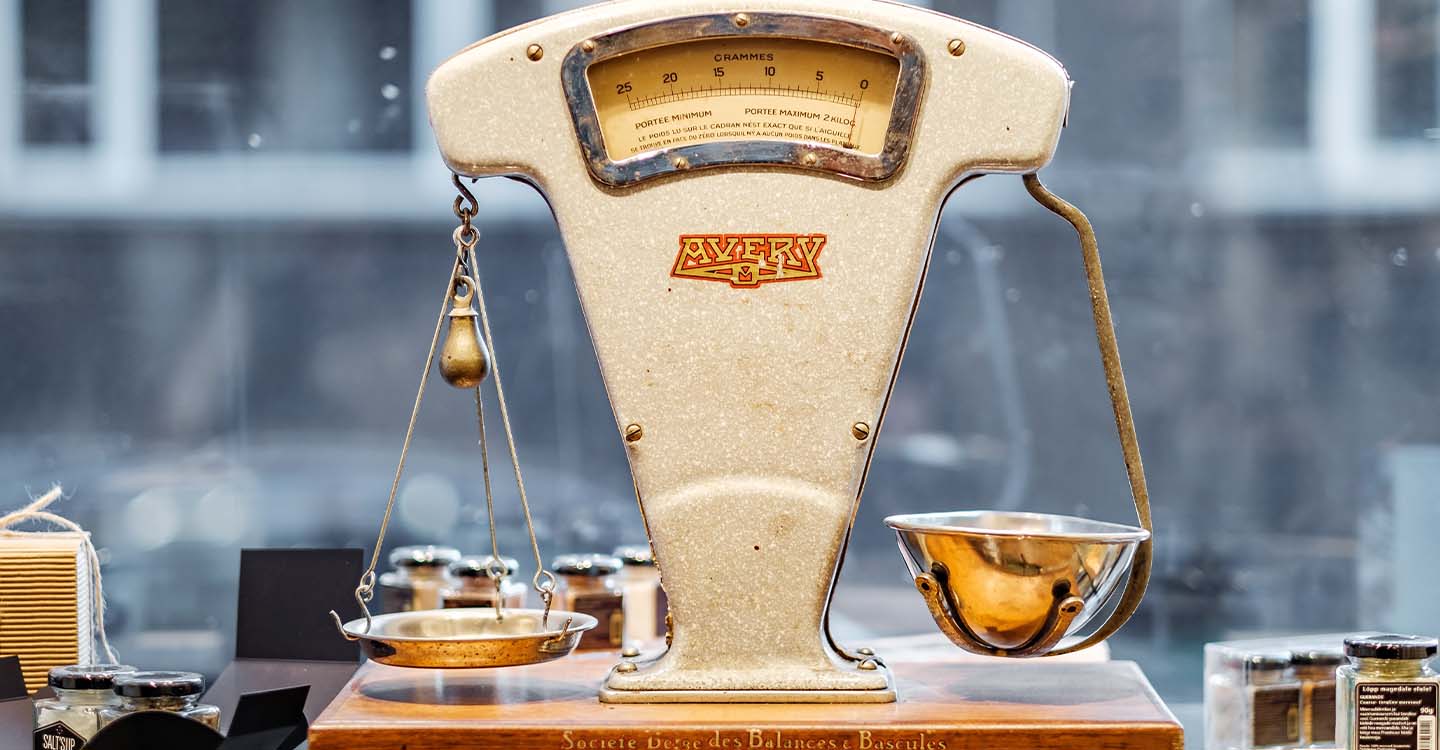
While many people assume that equal division is the default outcome in Australian family law, the reality is more nuanced. The Family Law Act 1975 provides a flexible framework that allows for a range of outcomes depending on the individual circumstances of the parties.
At Movement Legal, we often encounter clients who believe that a 50/50 division is automatic or standard. In practice, however, the court undertakes a detailed and discretionary process to assess what division of property is just and equitable. Although 50/50 settlements are not uncommon, they are not presumed under Australian Family Law.
This article explores the legal principles that govern property settlements, when a 50/50 split may be appropriate, and how parties can reach agreement either by negotiation or through the courts.
The Case for a 50/50 Property Settlement
For many couples, an equal division of assets following separation can offer a practical and fair resolution. A 50/50 split is simple to understand, straightforward to implement, and can reduce the time and cost involved in negotiating or litigating a more complex arrangement.
This approach recognises that both parties often contribute in different but equally valuable ways during the relationship—whether through income generation, managing the household, or providing care for children. By starting from an equal baseline, both parties can feel that their contributions have been respected, which can help preserve goodwill and make post-separation arrangements more cooperative.
A 50/50 division also provides certainty and predictability, which can be particularly beneficial where the asset pool is relatively uncomplicated. For separating couples looking to minimise conflict and move forward quickly, an equal split can be an efficient way to reach closure and focus on rebuilding their lives.
When a 50/50 Settlement May Be Appropriate
An equal split is more likely to be considered appropriate in relationships in these kinds of relationship contexts:
- Similar Financial Contributions - Both parties earned comparable incomes, contributed equally to savings or investments, and shared responsibility for household expenses.
- Balanced Non-Financial Contributions - Each person’s non-financial contributions, such as child-rearing or home maintenance, are viewed as roughly equivalent in value and effort.
- Long-Term Relationships - In relationships spanning many years, the law often treats the couple’s financial and non-financial contributions as having merged, making it harder to separate one party’s input from the other’s.
- No Significant Future Disparity in Earning Capacity - Both parties are in similar health, age, and employment circumstances, meaning neither requires a greater share to meet future needs.
- Straightforward Asset Pool - The assets are relatively simple to value and divide, such as a home, cars, and savings, without complex business structures, trusts, or overseas holdings.
In these situations, starting from a 50/50 position can be a practical and fair reflection of the shared life the couple built together, while allowing for a quicker, less contentious resolution.
The Legal Framework for Property Settlements in Australia
When a marriage or de facto relationship ends, property division is governed by the Family Law Act 1975 (Cth). The court applies a structured approach - commonly referred to as the four-step process - to determine how assets should be divided:
1. Identify and value the property pool
The first step involves identifying and valuing all assets, liabilities, and financial resources held by either or both parties. This includes:
- The family home
- Superannuation
- Vehicles
- Jewellery
- Bank accounts and savings
- Investments and businesses
- Inheritances
- Debts and loans
Both jointly and individually owned assets are considered part of the property pool.
2. Assess the contributions of each party
The court examines both financial and non-financial contributions made by each party throughout the relationship. This includes:
- Salaries and wages
- Gifts and inheritances received during the relationship
- Centrelink or other government payments
- Contributions to the care and raising of children
- Domestic duties and homemaking
- Renovations or improvements to property
- Contributions to the maintenance or growth of the family's financial resources
Both parties' roles-whether as income earners, caregivers, or homemakers-are recognised and valued.
3. Consider each party’s future needs
After assessing contributions, the court considers the future needs of each party. Factors taken into account include:
- Age and state of health
- Earning capacity and employment prospects
- Ongoing parental or caregiving responsibilities
- Future living arrangements
- Financial resources available to each party post-separation
This step ensures that any financial disparity likely to arise after separation is considered when determining the division of property.
4. Determine what is just and equitable in all the circumstances
Finally, the court evaluates whether the proposed division is just and equitable having regard to the overall circumstances. At this stage, adjustments may be made to ensure that neither party is unfairly advantaged or disadvantaged. The outcome aims to provide both parties with a fair foundation for financial independence after separation.
Importantly, there is no presumption of an equal 50/50 split. Each case is assessed on its particular facts.
How Common Is a 50/50 Property Settlement?
While a 50/50 settlement is achievable, it is not the most common result.
According to research conducted by the Australian Institute of Family Studies, approximately 79% of property settlements result in a division closer to 60/40 - often in favour of the female partner. This is largely due to the fact that women more commonly take primary responsibility for raising children, which may affect their earning capacity both during and after the relationship.
Equal 50/50 divisions are more typically seen in relationships where:
- Both parties have made approximately equal financial and non-financial contributions.
- There are no significant disparities in income or earning capacity.
- There are no dependent children or ongoing caregiving obligations.
- Both parties are financially self-sufficient post-separation.
- The asset pool is substantial, particularly among high-net-worth couples, where both parties can maintain financial security despite an equal division.
Ultimately, while a 50/50 division is possible, it will depend on the particular facts of the relationship, contributions, and future needs.
Is a 50/50 Settlement Right for You?
Whether a 50/50 division of property is appropriate in your circumstances depends on a careful assessment of your financial and personal situation, the contributions made during the relationship, and your ongoing needs after separation. While equal division may feel intuitively fair, it is not always legally justified, nor is it the automatic starting point under Australian family law.
At Movement Legal, we guide our clients through this process with clarity and strategy, ensuring that any settlement - whether negotiated or litigated - aligns with their interests and the legal framework. If you are facing separation or divorce and uncertain about how property division may apply to your case, we invite you to speak with us.
A well-structured settlement is about more than numbers; it is about securing your financial stability and future independence. We are here to help.